

Are there any regulations for employee workstations in the workplace?
Sep 15, 2026
In today's dynamic work environment, the setup of employee workstations is a critical aspect that impacts both employee well - being and overall business productivity. As a dedicated supplier of Employee Workstations, I have witnessed firsthand the importance of adhering to regulations in workstation design and arrangement.
The Need for Workstation Regulations
Workstation regulations are put in place to safeguard the health and safety of employees. In an office setting, employees spend a significant portion of their day sitting at desks, using computers, and performing various tasks. Without proper regulations, they may be exposed to a range of health risks, such as musculoskeletal disorders, eye strain, and repetitive stress injuries.
For example, if the height of the desk is not adjustable and does not match the employee's body proportions, it can lead to poor posture. Prolonged sitting in an uncomfortable position can cause pain in the neck, back, shoulders, and wrists. This not only affects the employee's health but can also result in increased absenteeism and decreased work performance.
Ergonomic Regulations
One of the most important aspects of workstation regulations is ergonomics. Ergonomics is the science of designing workstations to fit the human body's natural movements and capabilities. This includes factors such as desk height, chair adjustability, monitor position, and keyboard layout.
Regarding desk height, it should be adjustable to accommodate employees of different heights. A general rule of thumb is that the employee's elbows should be at a 90 - degree angle when typing on the keyboard. This ensures that the wrists are in a neutral position, reducing the risk of carpal tunnel syndrome.
Chairs also play a crucial role in workstation ergonomics. A good office chair should have adjustable height, lumbar support, and armrests. The seat should be deep enough to support the thighs without putting pressure on the back of the knees. Employee Workstations we supply often come with high - quality, ergonomic chairs that are designed to meet these requirements.
Monitor position is another key factor. The top of the monitor should be at or slightly below eye level. This helps to prevent neck strain and reduces the risk of eye fatigue. Keyboard and mouse placement should also be considered to ensure that the employee can reach them comfortably without stretching or over - reaching.
Lighting Regulations
Proper lighting is essential in the workplace. Insufficient lighting can cause eye strain, headaches, and reduced productivity. On the other hand, excessive or glare - producing lighting can also be a problem.
Natural light is the best option, as it has been shown to improve mood, sleep quality, and overall well - being. However, in many workplaces, artificial lighting is also necessary. Workstation lighting should be evenly distributed and provide sufficient illumination without creating glare on computer screens.
Task lighting can be used to supplement general workplace lighting. For example, a desk lamp can be provided for employees who need to work on detailed tasks. Lighting regulations often specify the minimum amount of light required for different types of work areas, such as offices, laboratories, and manufacturing floors.
Electrical and Fire Safety Regulations
Electrical safety is a major concern in the workplace, especially when it comes to employee workstations. There should be proper wiring and grounding to prevent electrical shocks and short circuits. Power strips should not be overloaded, and all electrical equipment should be regularly inspected for any signs of damage.
Fire safety regulations also apply to workstations. Flammable materials should be kept away from heat sources, and fire extinguishers should be easily accessible. In addition, workstations should be arranged in a way that allows for easy evacuation in case of a fire.
Space and Ventilation Regulations
The amount of space per employee at a workstation is also regulated. Employees need enough space to move around comfortably, store their personal belongings, and access necessary equipment. Crowded workstations can lead to increased stress and a higher risk of accidents.
Ventilation is equally important. A well - ventilated workspace helps to remove pollutants, odors, and excess heat. It can improve air quality, which is beneficial for employees' health. Poor ventilation can lead to the spread of airborne diseases and cause discomfort and fatigue among employees.
How Our Employee Workstations Comply with Regulations
As a supplier of Employee Workstations, we are committed to ensuring that our products meet all relevant regulations. Our desks are adjustable in height, allowing employees to customize their workstations according to their needs. The chairs we offer are ergonomically designed, with features such as adjustable lumbar support, armrests, and seat height.
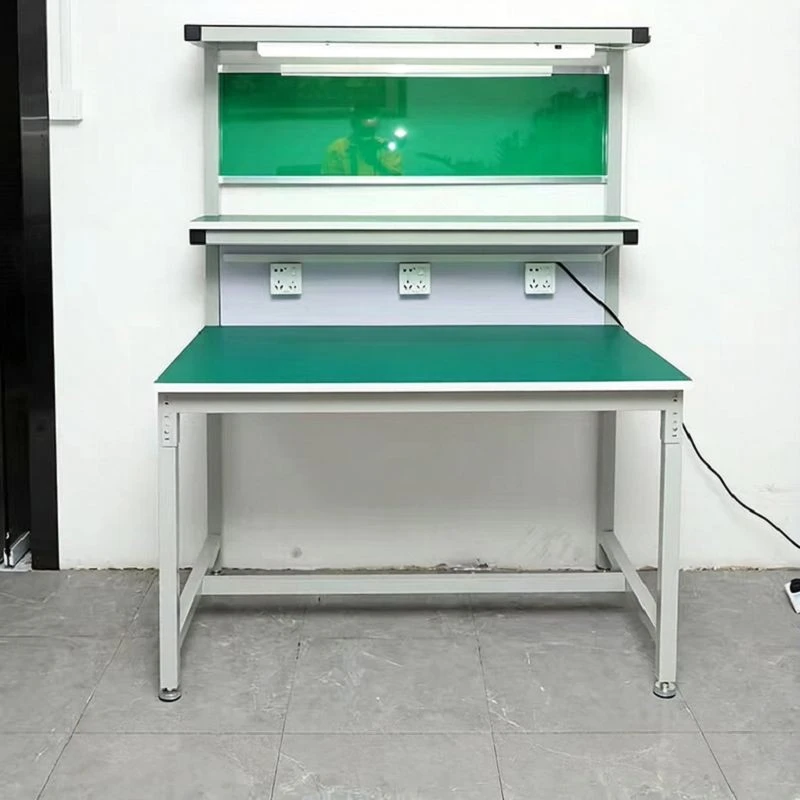

We also pay close attention to lighting, electrical, and fire safety. Our workstations are designed to accommodate proper task lighting, and all electrical components are of high quality and comply with safety standards. In terms of space and ventilation, our workstations are designed with sufficient room for employees to work comfortably, and they can be arranged in a way that promotes good airflow.
Other Related Furniture Products
In addition to Employee Workstations, we also offer a range of other furniture products. For example, our Injection - Molded Furniture is durable, lightweight, and easy to clean. It is suitable for various work and living environments.
Our Stools for Classroom Seating are designed to provide comfort and support for students. They come in different styles and colors to match the classroom decor.
If you are looking for dining furniture, we have Real Wood Dining Table and Chairs that offer a classic and elegant look. Our Dining Set Stainless Steel is modern, durable, and easy to maintain.
Contact Us for Procurement
If you are interested in our Employee Workstations or any of our other furniture products, we encourage you to contact us for procurement. We have a team of experts who can help you choose the right products for your specific needs and ensure that they comply with all relevant regulations. Whether you are setting up a new office, renovating an existing workspace, or looking for furniture for other purposes, we are here to assist you.
References
- Occupational Safety and Health Administration (OSHA). Guidelines for workplace ergonomics.
- American National Standards Institute (ANSI). Standards for office furniture and workstation design.
- International Labour Organization (ILO). Workplace safety and health conventions and recommendations.